



Land Rights. Power. Future?
Land is the foundation of food security, economic participation, and political space – yet access to it remains unequally distributed across the world. Overlapping and at times contradictory legal systems, exclusion mechanisms, and unequal levels of knowledge about one’s own rights exacerbate existing disparities and fuel conflict and insecurity. Women, young people, and other marginalized groups are particularly affected. We must ask ourselves: Who owns land, who uses it – and who is left out? These are questions that go far beyond ownership and touch on social justice, participation, and the future of rural areas.
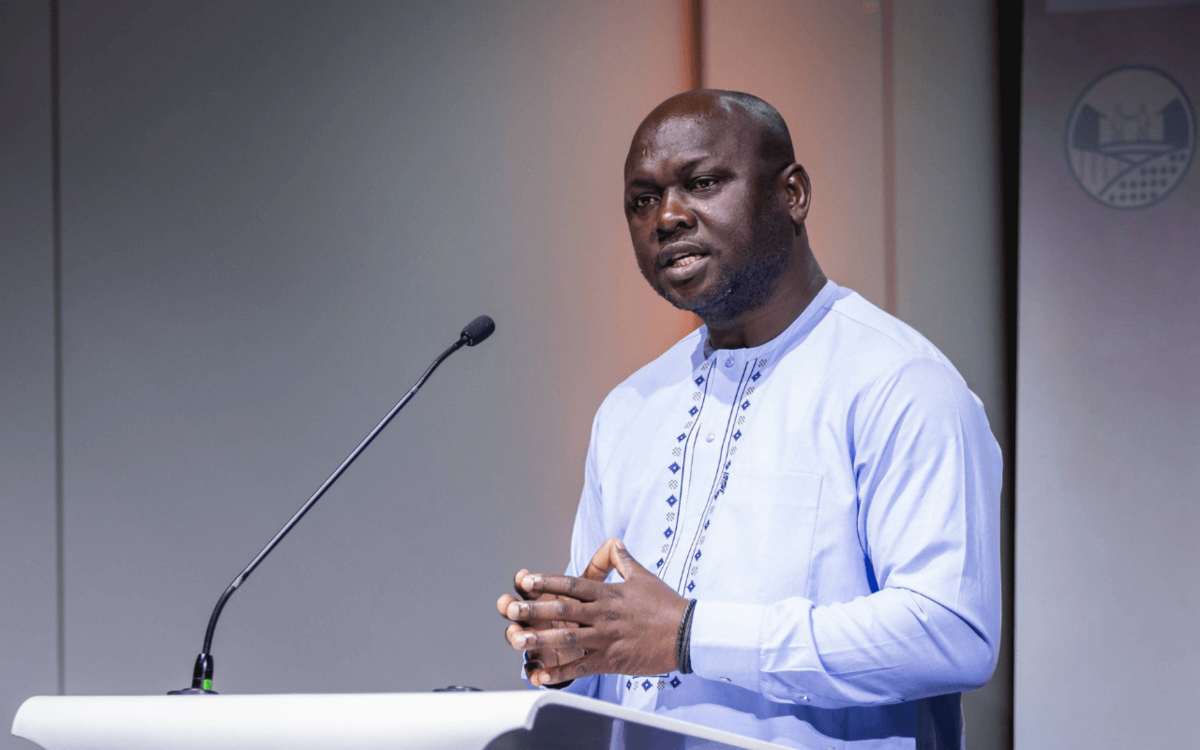
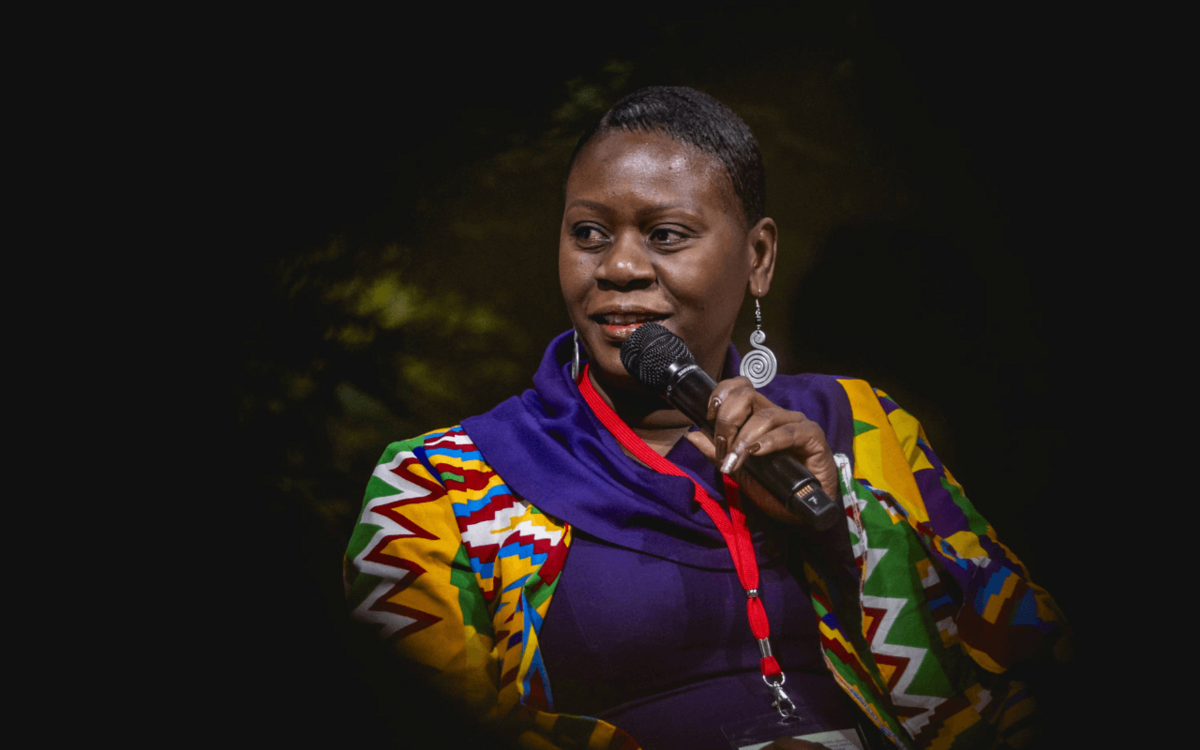
The International Land Coalition emphasizes that land rights are far more than an administrative issue, touching on fundamental questions of dignity and future opportunities. John World Bonoua (Youth Initiative for Land in Africa) and Faith Alubbe (Kenya Land Alliance) illustrate how young people and civil society actors advocate for fair, transparent land use and inclusive governance structures. A position paper by Welthungerhilfe highlights the importance of land reforms for sustainable development. Closing events organized by the NELGA network and GIZ demonstrate the value of networking, knowledge exchange, and civil society engagement. Finally, a digital photo exhibition shows stories from the field and provides insights into concrete examples of equitable land governance worldwide.
"Insecurity of land tenure can be a precipitating cause of inequality and conflicts if not addressed. Securing land tenure assures the continued existence of rights or interests in land and can help prevent arbitrary displacements and provide confidence for land users to invest in their land."
- Janet Edeme, Director of the Department of Rural Economy and Agriculture at the African Union Commission (AUC)
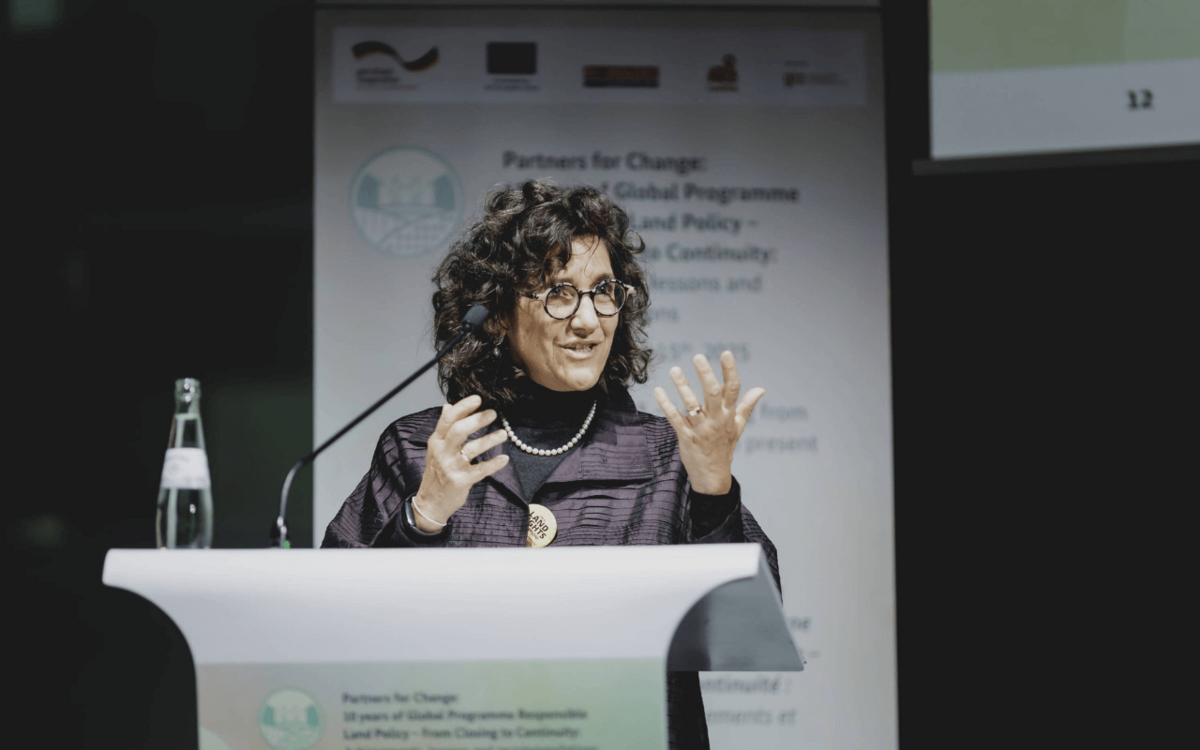

Towards Equitable Land Rights – Voices from Diverse Perspectives
Women, youth, and other marginalized groups are particularly disadvantaged when it comes to land rights, as they are often denied equal access to land, resources, and decision-making processes. Experts from youth initiatives, civil society, and implementation practice present ideas and approaches for a fair and forward-looking land policy.
Stories of Change – A Photo Gallery
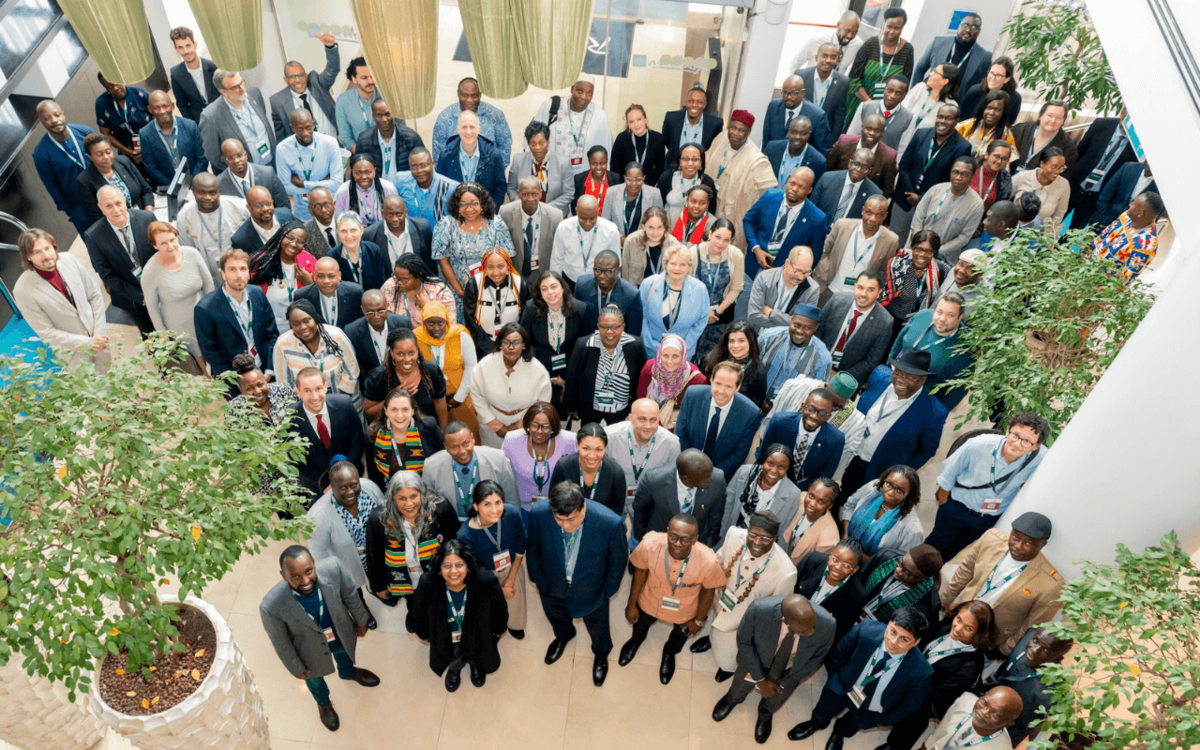
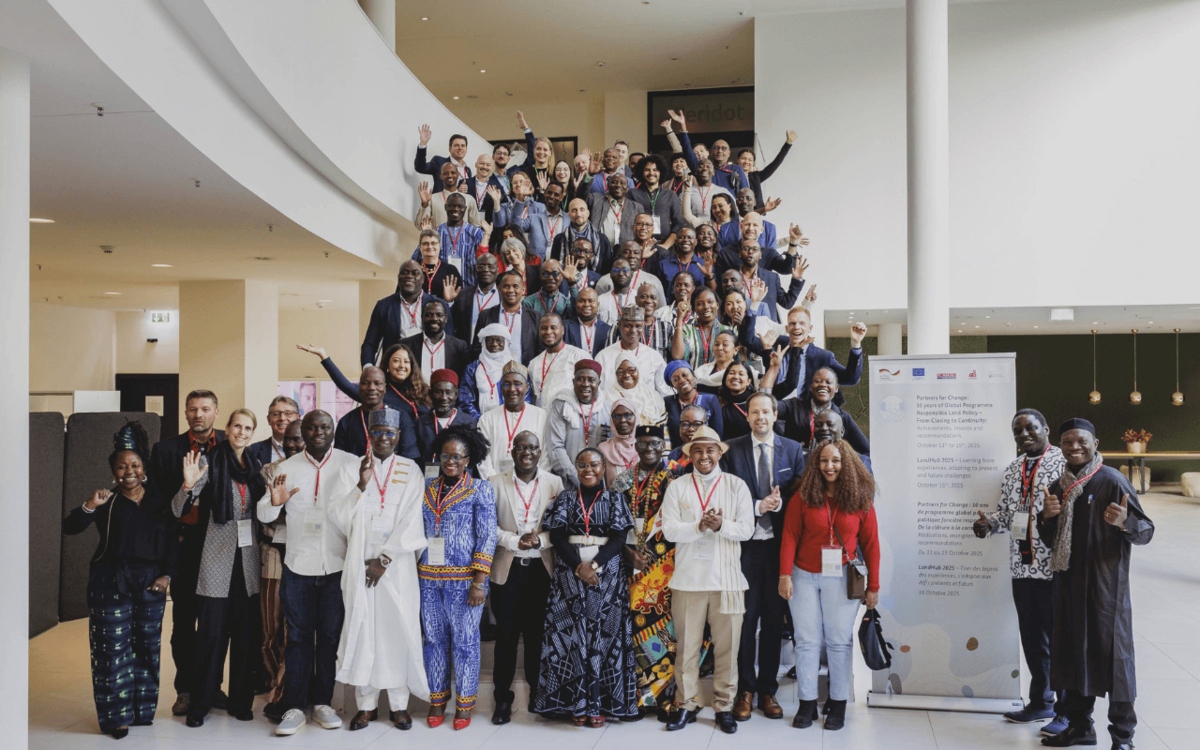
Over the past ten years, the GIZ Global Programme Responsible Land Policy has registered thousands of land titles, formalized informal tenure arrangements, and strengthened the rights of marginalized groups in close cooperation with local partners. In total, over 650 000 households benefited directly from secure land access and strengthened rights. To mark the conclusion of the programme, a photo exhibition was presented for the first time during the GIZ Land Week in October 2025, showcasing images and the stories behind them from eight of the eleven partner countries. The exhibition illustrates what responsible land policy means in practice and how international approaches are translated into local realities. Swipe through the gallery to get a full picture.

Agriculture Guarantees Food Security
By securing their land tenure rights, Malagasy farmers gain the confidence to invest in long-term soil conservation and adopt sustainable practices that respect natural resources and climate change. This leads to higher land productivity, better soil health, and improved crop diversity, all of which enhance food access and nutrition. The vast rice fields provide both subsistence and marketable surplus, contributing to national food security. These efforts also increase farmer autonomy, enhance land value, and ensure stable agricultural production which are key for long-term food resilience. Secure land rights and responsible land governance are thus critical enablers of food security and soil rehabilitation.
Madagascar / © GIZ Madagascar

Villagers Signing an Agreement with Company Representatives
In Laos, the global programme collaborated with government departments on district and provincial level responsible for planning, investment, forestry, natural resources and environment to organize "Exchange Days" in Bolikhan district, Bolikhamxay province. These days are designed to strengthen communication and relations between communities and investors. With the support of a multidisciplinary team, communities affected by investment projects were able to meet with the relevant investors to discuss issues and challenges impacting them. These included land use, environmental concerns, the use of agrochemicals, and community development funds, among others. The project team also acted as intermediaries, helping both parties work towards mutually agreed solutions.
Laos / © Bart Verweij

Two Community Chiefs, One Customary Land Owner, One Migrant Chief, Have Reached an Agreement
The warm greeting between two community leaders is the result of lengthy discussions between different ethnic communities in Côte d'Ivoire, which were initiated by the global programme as part of the development of socio-land tenure charters, or 'Chartes Socio-Foncières', at the community level. The discussions culminated in the charter being signed by various community leaders and village chiefs. Creating shared, community-based rules through inclusive dialogue establishes a common framework for land rights and land use among different ethnic and social groups. Such agreements reduce misunderstandings and perceived unfairness, improving social cohesion.
Côte d'Ivoire / © Cyrille Kouassi Koki / Audace Institut Afrique

A Female Investor Hands Over Her Tractor's Key to the Driver
Empowering women increases their decision-making authority within households and communities. In Benishangul-Gumaz, the global programme empowers female investors by providing them with advisory support and developing their capabilities, thus enabling them to manage agricultural investments effectively. Mrs Rawuda Ali, a female investor and project beneficiary, is a prime example of this success, having enhanced productivity and inspired her peers. Her handing the tractor key to a driver symbolises women’s growing leadership in agribusiness and marks a shift towards gender-inclusive agricultural growth.
Ethiopia / © GIZ Ethiopia

Raising Awareness among Women about their Land Rights through Role-Playing
Although Cameroonian law formally allows women to acquire and own land, the legal landscape is fragmented, outdated, and often difficult to navigate. Contradictions between statutory and customary law, combined with deeply rooted patriarchal norms, continue to restrict women’s land rights in practice. Women are typically excluded from land inheritance and decision-making, leaving them with little control over land and natural resources. In the Nanga-Eboko and Yoko municipalities the global programme addresses these issues using community-based role-playing exercises to raise awareness among women about land rights. These participatory trainings demystify legal texts, challenge discriminatory norms, and empower women to claim and defend their land rights. The project has improved legal literacy and fostered dialogue between communities and authorities. By promoting equal access to land, the initiative enhances social equity, economic empowerment, and sustainable management of natural resources.
Cameroon / © Consoler Tapimene

Securing Cattle Tracks
Extensive cattle breeding in Burkina Faso is based on transhumance movement. Every year, herders leave their villages either to look for grazing land and water in the dry season, or to move the cattle away from agricultural plots in the rainy season. These movements often cause conflict with sedentary farmers, particularly when cattle enter fields and destroy the harvest. The global programme has helped local communities agree on pastoral routes and timeframes through participatory processes involving commune representatives, farmers and herders. Additionally, the project produced a film to educate sedentary populations about the rationale behind transhumance. For this film, two transhumant families were accompanied by a camera crew for eight months, covering the entire journey, from preparation to return.
Burkina Faso / © Gideon Vink

An Immigrant Originally from Mali, Standing in his Farm, Holds up his Land Certificate
Several decades ago, during an agricultural boom, waves of migrants from Burkina Faso and Mali arrived in Côte d'Ivoire and were welcomed peacefully. They settled on fertile forest land and cultivated vast tracts of land. However, these ancestors were not aware of all their legal rights and entered into informal land agreements. The global programme clarified these land rights, untangled complex agreements and enabled many migrants to formally claim their land. This photo shows a proud Malian migrant standing on his land, holding his land title, a symbol of hard-won recognition within the community and a more secure future.
Côte d'Ivoire / © Mathias N'Zi Loukou / GIZ

Two Widowed Co-Wives Hold up their Collective Land
In several regions of Côte d'Ivoire, women have limited access to land ownership, which is often granted only by husbands, fathers or brothers. Inheritance commonly follows the matrilineal line, meaning that land is returned to maternal uncles after a husband’s death. This leaves widows and their children vulnerable. Widows face challenges in securing their rights, as official documents generally do not recognise spouses. The global programme has initiated awareness-raising campaigns and intra-family discussions to promote collective land certification and ensure that all family members are considered. Nowadays, many fathers want their children to benefit from their estate after their death. Official land registration with a collective certificate makes this possible. The photo shows two widowed co-wives and their family holding up their collective land certificate.
Côte d'Ivoire / © Mathias N'Zi Loukou / GIZ

COGESTECK-Member Cultivating a Teak Field
The global programme in Cameroon works in synergy with other local GIZ projects, such as the Forest, Environment and Climate Project and Forest4Future, to secure teak plantations and areas that were initially restored by these projects. As a result, teak management committees in seven villages in the Yoko municipality are receiving support to obtain provisional concessions, which will be converted into permanent ones. Without secure tenure, short-term exploitation tends to dominate. However, with improved land policy frameworks and secure land rights for forest plantations, land users are more likely to invest in sustainable practices, which in turn prevents deforestation.
Cameroon/ © GIZ Cameroon

Beatrice Drying Coffee Beans Outside her House
Beatrice Mukatale knows what struggle means. After her first marriage ended in divorce, her husband’s family chased her away. She eventually settled in Banda, where she started to build a life for herself. Following the death of her second husband, she chose to live independently and fought for her right to the land. She now knows for sure that her land is secure, and people in her community look up to her. Her story is a powerful example of how women can claim their dignity and independence when given the right knowledge and tools. By ensuring her land rights are recognised and protected, The global programme's work has strengthened her livelihood and elevated her status in the community.
Uganda / © GIZ Uganda

Self-Promotion of Women and their Role in Local Development
Ms Zeplasy is a single mother and sole head of her household. She has received land titles for the plots she traditionally occupied. Thanks to the improved agricultural practices recommended by GIZ's programme on the conservation and rehabilitation of soil, she has increased her cassava production and now proudly displays her harvest. Tenure security has stabilised her situation and enabled her to achieve food security. When women are legally recognised as landowners or have formal rights, they gain financial independence and can make autonomous decisions regarding land use, investments, and collateral. In addition, widows and divorced women become less vulnerable.
Madagascar / © GIZ Madagascar

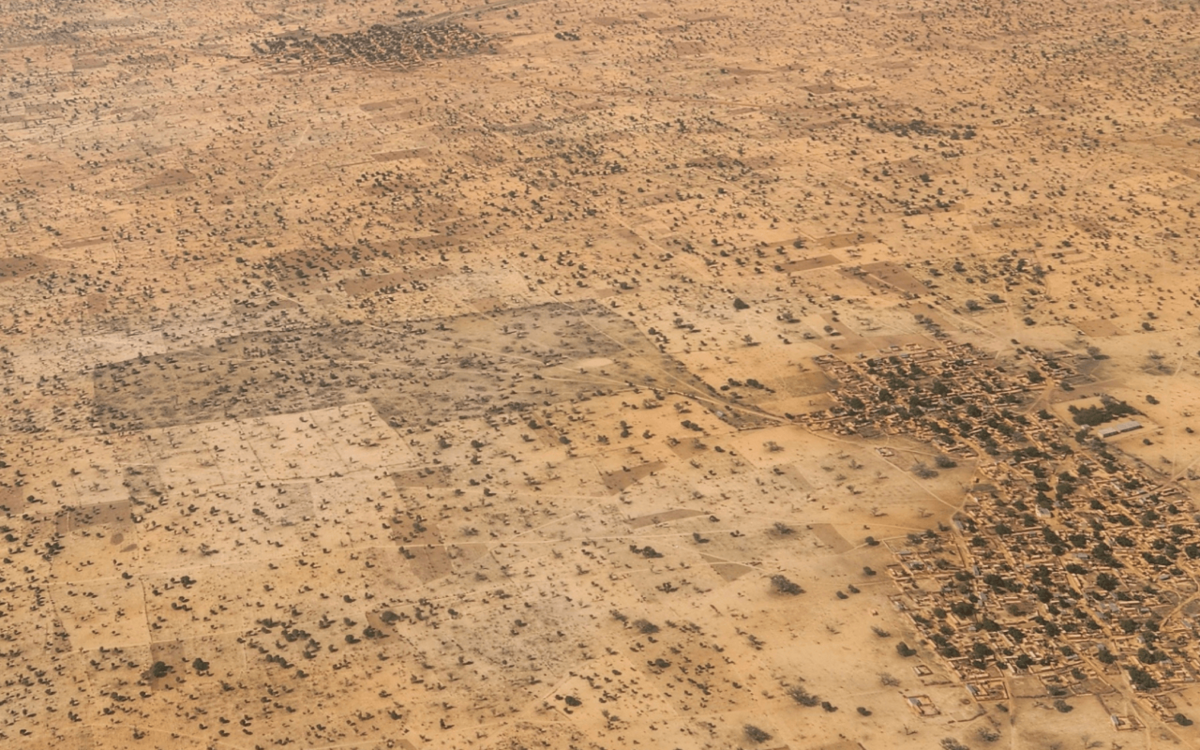
Pastoral HIMO Project in Tahoua
The area shown in the photo depicts a herd and transhumant herders in Niger’s pastoral zone. In response to the degradation of grazing areas, the global programme supports, in synergy with other GIZ projects, regeneration measures through grazing contracts. It is an ancestral practice between farmers and livestock breeders known as a grazing/manure contract or "contrat de stationnement". Under this system, livestock farmers give their animals' manure to the farmers on whose fields they allow their animals to graze. In return, the farmers provide them with food for the duration of their stay in the fields. It is a method of fertilising the soil with animal manure and a source of income for the agro-pastoral households who live there.
Niger / © GIZ Niger

A Cooperative's Coach Explains the Advantages of Land Ownership Documentation to a Father and Son
Every day, Ivorian farmers rise before the sun to tend land that has fed their families for generations. Yet many of them are uncertain about their right to the land. Through the global programme, however, trained staff from their own cooperatives now act as trusted guides within their communities. They help rural households engage efficiently with the national land programme. This new approach brings farmers, who are often migrants, into contact with the 'Rural Land Rights Management Committees' in their communities. Through this hands-on coaching, farmers gain vital knowledge about their rights, build the confidence to request legal documentation and recognise the value of investing sustainably in their plots. This also sparks intergenerational discussions about family business plans.
Côte d'Ivoire / © Mathias N'Zi Loukou / GIZ